



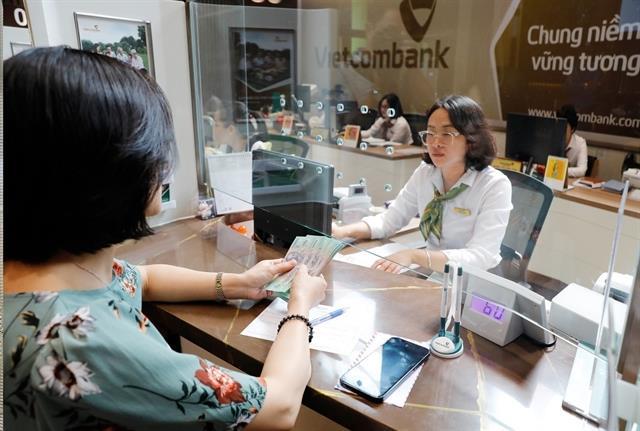


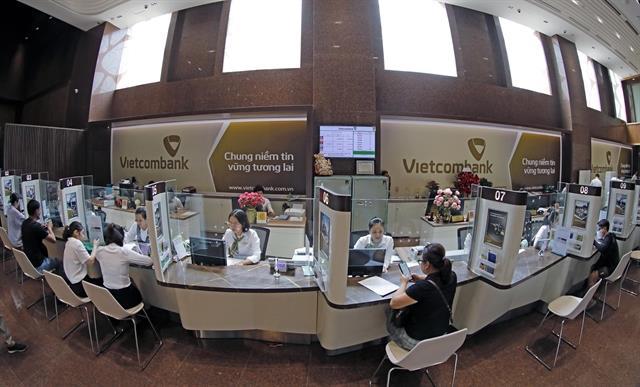
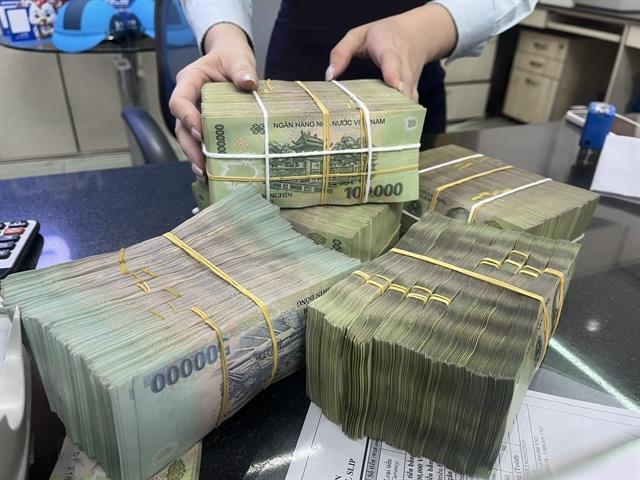
Commercial banks have committed to lower deposit and lending rates to support economic growth and manage inflation risks at the meeting with Governor of the State Bank of Việt Nam Phạm Đức Ấn on April 9.
Banks must continue publicly disclosing average lending rates, the spread between deposit and lending rates, and interest rates of credit schemes and packages on their websites, making it easier for individuals and firms to access capital.
Under the document, the SBV requested credit institutions, branches of foreign banks and regional SBV offices to implement measures to maintain stable market interest rates.
Việt Nam’s interbank rates have eased from multi-year highs but remain elevated, signalling persistent liquidity pressure and possible spillover into lending and deposit costs.
The State Bank of Việt Nam (SBV) is finalising a draft decree guiding the provision of 2 per cent annual interest rate subsidies for loans financing projects that comply with green, circular economy and environmental, social and governance (ESG) requirements....
A fixed 2 per cent annual interest rate subsidy is proposed for the private enterprises, business households and individuals on loans for green, circular economy and environmental – social – governance (ESG) projects, accroding a a draft decree by the...
At a conference held on Monday in Hà Nội, SBV Deputy Governor Phạm Thanh Hà said that stabilising deposit rates and reducing lending rates are key tools to promote economic recovery and maintain macroeconomic stability.
The loans must arise from disbursements made between July 1 and December 31, 2025, and be financed through commercial banks that have registered to participate in the programme.
Special loans from the State budget should only be provided when credit institutions face liquidity difficulties or to facilitate compulsory recovery and transfers. These measures aim to ensure the safety of the banking system and protect depositors’ rights.
A notable driver was the continued surge in individual deposits, which hit a record high of nearly VNĐ7.5 quadrillion, up 5.73 per cent since the beginning of the year.
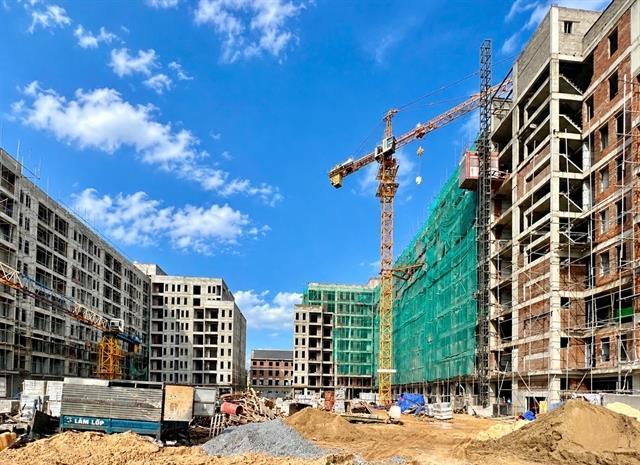
Social housing is crucial to the country’s social and economic infrastructure, making collaboration between the State, market mechanisms, and relevant stakeholders essential.